
Originally Posted On: https://ikippahs.com/blogs/jewish-style/different-types-of-yarmulkes-and-what-they-represent
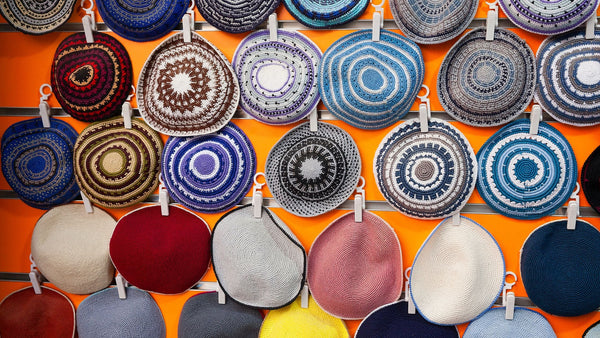
So look — if you’ve landed on this page, you’re probably trying to make sense of the whole universe of Jewish head coverings. And honestly? I get it. When my sister-in-law Dina and I first started iKIPPAHS back in 2014, we were even surprised by how deep this rabbit hole goes. This small cap — this little circle of fabric — carries so much weight. Understanding the different types of yarmulkes out there is really the first step toward finding one that feels like it was made for you.
Known as kippahs (plural: kippot) or yarmulkes, these brimless skullcaps are woven right into the fabric of faith and identity. The Hebrew word “kippah” literally means “dome” — which makes sense when you look at it. “Yarmulke” comes from Eastern European roots, and if you grew up hearing your bubbe say it, you already know the weight that word holds. In Jewish tradition, wearing one is a sign of reverence. A humble, constant reminder that something greater is above.
At iKIPPAHS.com, we believe picking your perfect kippah should feel meaningful — not overwhelming. Think of this page as your roadmap. We’re going to walk through craftsmanship, materials, and all the yarmulke styles that set each one apart, so whether you need something for daily wear, prayer, or your cousin’s wedding next month, you’ll know exactly what you’re looking for.
Key Takeaways
- A kippah (yarmulke) is a brimless skullcap worn as a sign of faith and reverence in Jewish tradition.
- The term “kippah” means “dome” in Hebrew, describing its rounded shape.
- Customs for wearing vary — some wear it only during prayer, others treat it as a cherished daily practice.
- Understanding the different types helps you choose one that matches your personal style and level of observance.
- Materials range from simple knit and suede to elegant silk and velvet, each suited for different occasions.
- Your yarmulke can be both a symbol of identity and a deeply personal expression.
- This guide will help you navigate the options with confidence, whether you’re brand new to wearing one or you’re expanding a well-loved collection.
1. Understanding Yarmulkes: A Guide to Materials and Craftsmanship
Selecting the right material — that’s where personal style collides with tradition in the world of Jewish head coverings. I always tell people: the fabric of your kippah isn’t just about how it feels between your fingers. It shapes how long it lasts, how dressy or laid-back it reads, and, honestly, it can even whisper something about your community. Or the moment itself.
At iKIPPAHS.com, we see each yarmulke as a genuine piece of craftsmanship. The materials, the construction, the little details in the stitching — all of it determines when and how you’ll want to wear it. So let’s break down the essential variety of types of kippahs
Suede and Leather: Durable and Traditional Choices
For a classic, sort of rugged feel, a lot of people gravitate toward suede and leather. There’s something about those materials — they’re understated, but they have this timeless quality you can’t fake. And they age beautifully. I’ve seen guys pull out a leather kippah they’ve worn for fifteen years, and it looks even better now than when they bought it. That patina is real.
These durable choices are especially popular in Modern Orthodox and Conservative circles. They offer an everyday resilience that, frankly, is hard to beat. If you’re ordering in bulk for a synagogue event or a shul gathering, know that our suede kippot have a minimum order of 48 pieces per style. Standard processing runs about 2–3 weeks, depending on the season.
Velvet and Satin: Formal Elegance for Special Occasions
When the occasion calls for something more solemn — or more celebratory, depending on how you look at it — velvet and satin step forward. The deep, soft nap of velvet just conveys reverence. You feel it the moment you hold one. It’s the go-to choice in Yeshivish and Haredi communities, and there’s a reason for that.
Satin, on the other hand, brings a bright, almost joyful sheen. You’ll spot it at weddings and bar mitzvahs all the time. It’s common in Conservative and Reform settings, too. There’s a lightness to it that suits celebration. Planning a large simcha? Fabric kippot like these typically require a minimum of 60 pieces. We built a 45-day standard for the formal yarmulkes craftsmanship process. Rush options? Sometimes available — ask us.
Knit, Crocheted, and Cotton: Everyday Comfort and Cultural Expression
For daily wear, breathability and personal expression are everything. Knit or crocheted kippahs — known as kippot serugot — are honestly iconic at this point. They first appeared back in the late 1940s, and they’re deeply tied to Religious Zionist and Modern Orthodox identity.
These styles, along with simple cotton, are incredibly comfortable. Colorful patterns, playful designs, bold statements — they let you show who you are while you’re just going about your day. Running errands, picking up the kids, heading to a shiur. That’s what casual yarmulkes are really about — your personal style shining through everyday life.
Specialty Fabrics: Mesh, Terylene, and Custom Materials
Sometimes specific needs call for specialized materials. Mesh kippot? Unbeatable breathability. If you’re in a warm climate or you’re pretty active, mesh is a game-changer. Then there’s Terylene — a crisp, polished fabric that a lot of yeshiva guys gravitate toward.
Terylene is frequently chosen by Yeshivish, Hasidic, and Haredi groups. Rabbis teaching in yeshivas often select it for that neat, professional appearance. It just looks sharp.
At iKIPPAHS.com, we work with all of these fabrics. Our focus is always on the quality of the stitching and the finish — because every last detail contributes to a kippah that feels right, whether you wear it for an hour of davening or from sunup to sundown.
Choosing your material is the first real, concrete step. It leads you to a head covering you’ll be genuinely proud to wear for any occasion on this page of life’s journey.
2. Styles and Symbols: What Your Yarmulke Can Represent
Here’s the thing people don’t always realize — your choice of kippah does so much more than cover your head. It communicates identity. The style you pick often speaks volumes, even without you saying a word. It connects you to a community, a tradition that runs deep, or maybe just a personal passion you carry close.
From textured knits to elegant velvet, each design carries its own story. Understanding what different different kippah styles signal helps you choose a kippah that genuinely represents who you are.
Crocheted and Knit Kippot (Kippot Serugot): Modern Orthodoxy and Zionism
Crocheted and knit kippot are instantly recognizable. There’s no mistaking them — those textured, colorful patterns are iconic. These styles, known as kippot serugot, first gained real popularity in the late 1940s and haven’t slowed down since.
Today, they’re powerful symbols of Modern Orthodoxy and Religious Zionism. They represent this beautiful blend of tradition and contemporary Israeli spirit. And the variety of colors and patterns? It’s staggering. You get to express yourself within a shared identity, which I think is really special. That’s what modern yarmulkes are all about.
Black Velvet or Cloth Kippot: Yeshivish and Haredi Communities
In contrast, the simple, dignified black velvet or black cloth kippah makes a very different statement. This style is a hallmark of Yeshivish and Haredi communities, including many Hasidic groups.
Its understated elegance embodies a commitment to focused Torah study and traditional practice. There’s nothing flashy about it — and that’s entirely the point. It’s a unifying symbol. Reverence and dedication, stitched into something quiet and powerful. When people explore traditional yarmulke styles, this is often the first one they encounter.
Bukharan and Yemenite Styles: Rich Sephardic Heritage
The Jewish world is rich with diverse heritage — and I mean that in every sense of the word. Bukharan and Yemenite kippot showcase some of the most stunning Sephardic artistry you’ll ever see.
Bukharan designs are frequently vibrant, intricately embroidered, and just… gorgeous. They’re popular with children and deeply cherished by Sephardi Jews. Yemenite styles are their own thing entirely — typically made of stiff black velvet with detailed, colorful geometric or floral border stitching. Both styles turn a kippah into a wearable piece of cultural history. I mean, you’re literally wearing centuries of tradition on your head.
Personalized and Themed Designs: Individuality and Celebration
For a truly unique touch, personalized and themed designs open up a whole world of expression. Imagine a kippah embroidered with a family name, a sports team logo, or a favorite Jewish symbol. We see it all at iKIPPAHS — and we love every single request.
These custom items are perfect for bar mitzvahs, weddings, and other simchas. Organizations use them for group pride. In the U.S., children’s kippot featuring cartoon characters have become wildly popular — my own kids would live in theirs if I let them. It’s worth noting that some schools may restrict non-traditional themes, but these patterned yarmulkes and personalized designs transform the kippah into a meaningful keepsake that people hold onto for years.
Style
Community Association
Typical Look
Common Occasions
Symbolic Meaning
Crocheted/Knit (Kippot Serugot)
Modern Orthodox, Religious Zionists
Textured, colorful patterns
Daily wear, Israeli holidays
Blend of tradition & modern Israeli identity
Black Velvet/Cloth
Yeshivish, Haredi, Hasidic
Simple, solid black
Daily wear, prayer, study
Reverence, dedication to Torah study
Bukharan
Sephardi Jews are popular with children
Vibrant, intricately embroidered
Shabbat, festivals, celebrations
Rich Sephardic cultural heritage
Yemenite
Yemenite Jewish tradition
Black velvet with a colorful embroidered border
Shabbat, festive occasions
Distinct ancient Jewish community artistry
Personalized/Themed
Individuals, families, organizations
Embroidery of names, logos, themes
Bar/Bat Mitzvahs, weddings, team events
Individuality, celebration, and pride
From the solidarity of a community style to the unique statement of a custom design, each kippah on this page carries real significance. At iKIPPAHS.com, we specialize in offering this wide variety of kinds of yarmulkes. We help transform your ideas into tangible designs that honor deep-rooted symbols.
Your perfect kippah is waiting. It’s the one that feels right and tells your story.
3. Choosing the Right Yarmulke for Every Occasion
Understanding the occasion — that’s what transforms your choice from a simple accessory into a meaningful statement of respect and joy. You wouldn’t wear sneakers to a wedding (well, most of us wouldn’t). The same principle applies here. It’s about matching your kippah to the moment’s tone.
This mindful selection balances practicality, propriety, and personal expression. The right yarmulke enhances your experience and shows you honor both tradition and the specific moment in time. A lot of people — myself included — own a small collection for different purposes. Let’s walk through how to choose for daily life, sacred spaces, celebrations, and group events.
For Daily Wear: Prioritizing Comfort and Subtlety
Your everyday kippah should feel like a natural part of your routine. Comfort and subtlety are everything here. You want something that stays secure, feels effortless, and doesn’t demand constant adjusting from morning to night.
Soft cotton, breathable knit, or simple leather — all excellent choices. Durable. Understated. They work perfectly whether you’re at the office, running to school pickup, or just grabbing coffee. This is the one you’ll wear the most, so it should reflect your personal taste without screaming for attention. Think of it as your reliable, go-to head covering — the one you reach for without thinking twice.
For Synagogue, Prayer, and Study: Respect and Tradition
Entering a synagogue or sitting down for Torah study calls for something different. Here, respect and tradition guide your choice. The space is sacred, and your yarmulke should reflect that energy.
More formal materials like solid-color velvet, suede, or satin are often preferred. These fabrics convey reverence and focus. They help create the right mindset for prayer and deep learning. There’s a reason people reach for them instinctively in those moments.
The kippah is a crown of humility, reminding us of the Divine presence above — especially in moments of study and prayer.
Choosing a simple, elegant design for these times shows mindfulness. It aligns your outer appearance with your inner intention. And there’s something beautiful about that alignment, if you think about it.
For Weddings, Bar Mitzvahs, and Festivals: Celebratory Elegance
Joyous events call for celebratory elegance. This is your chance to pick a kippah that truly marks the happiness of the occasion. Luxurious satin, ornate embroidery, velvet in rich festive colors — go for it.
These styles often become cherished keepsakes long after the event ends. They visually unite a wedding party or bar mitzvah guests. The wide variety of decorative options means you can match wedding themes, a child’s favorite colors, or a family crest. The range of stylish yarmulkes available today for simchas honestly blows my mind — even after doing this for over a decade.
At iKIPPAHS.com, we specialize in these breathtaking custom creations. We help you find the perfect piece for your simcha, and we take that seriously.
Custom Kippot for Organizations and Simchas
Custom kippahs do so much more than cover heads — they build identity. For a school, a team, or a community organization, they act like a wearable billboard. They unify a group and create lasting memorabilia that people keep in drawers and pull out years later with a smile.
Imagine embroidering a sports team logo or a company emblem on a kippah. Orders can start with as few as 48 pieces, which makes custom designs accessible for events of all sizes.
Today’s market offers terrific solutions for bulk orders. Many vendors — including us — provide free shipping on purchases over $299 and money-back guarantees. Some even let you send your own fabric for a truly one-of-a-kind creation. This wide variety of custom options transforms simple head coverings into powerful symbols of collective pride.
Occasion
Recommended Style & Material
Key Priority
iKIPPAHS.com Note
Daily Wear
Knit, Cotton, Simple Leather
Comfort & Subtlety
Perfect for our everyday collection; built for all-day ease.
Synagogue & Study
Solid Velvet, Suede, Satin
Respect & Tradition
Formal materials that honor sacred space and time.
Weddings & Festivals
Embroidered Satin, Velvet, Themed Designs
Celebratory Elegance
Custom embroidery available; perfect for joyous simchas.
Organizational Events
Custom Logo Embroidery on Various Fabrics
Group Identity & Unity
Bulk orders save on shipping; min. order 48 pieces.
As you can see, the right choice depends completely on the context. Today you have more options than ever before. Whether you need one special yarmulke or sixty matching kippahs for an event, understanding the occasion is what guides you to the right pick.
We at iKIPPAHS.com are here to help you navigate this page of life’s journey. We offer quality pieces for every single moment — the quiet ones and the loud, joyful ones. Let us help you find a head covering that honors both the occasion and your personal style. And if you’re exploring the full spectrum of jewish skullcap styles, you’re already in the right place.
Finding Your Perfect Yarmulke
The perfect kippah for you blends personal comfort with deep symbolic meaning. Your yarmulke should resonate with your sense of community and your personal aesthetics — and I really do believe those two things don’t have to be at odds. It could be sturdy leather for the daily grind or gleaming satin for a holiday that takes your breath away.
Today, the stunning types of yarmulkes available allow for truly profound expression. At iKIPPAHS.com, we support your discovery with high-quality kippot in countless styles, designs, and colors. We’ve been doing this since 2014, and the passion hasn’t dimmed one bit.
Our process is simple. Choose your materials and designs, add a logo if you need one, and place your order. Whether it’s for a special occasion or to build group unity, the time to create your perfect kippah is now. Browse our gallery on this page for inspiration — and if you need a hand, we’re right here in Brooklyn, ready to help.
FAQ
What is the most durable material for a daily-wear kippah?
For everyday durability, suede or leather is your best bet. They’re tough, hold their shape over the years, and develop a gorgeous patina with wear. Classic, dependable, and they look even better with age — honestly, not many things in life work that way.
Which kippah style is best for a formal event like a wedding?
Velvet or satin, hands down. Deep blacks, rich navies, maybe a silver if you’re feeling festive — these fabrics bring the elegance a wedding or formal simcha deserves. Pair it with some embroidery, and you’ve got yourself a keepsake.
I see many knitted kippot. What do they represent?
Knit and crocheted kippot, known as kippot serugot, carry deep meaning. They’re closely tied to Modern Orthodox and Religious Zionist communities. Wearing one is a proud expression of cultural identity and connection to Israel — tradition with a contemporary heartbeat.
How do I choose a comfortable kippah for all-day use?
Go for breathable, lightweight fabrics. Knit, cotton, or crocheted styles are fantastic — soft, flexible, and they stay put without weighing you down. Mesh is also great if you run warm or you’re in a hotter climate.
What does a black velvet kippah typically signify?
A black velvet or black cloth kippah is the signature of Yeshivish and Haredi communities. It signals a commitment to Torah-centered living — modest, unified, deeply focused on spiritual practice. Simple on the outside, profoundly meaningful underneath.
Can I get a kippah personalized for a bar mitzvah?
Absolutely! Custom kippot are one of the most beautiful ways to mark a bar or bat mitzvah, a wedding, or any simcha. Embroider the celebrant’s name, the date, a theme — whatever tells the story of that day. Organizations love them for building group pride, too.
What are Bukharan and Yemenite kippah styles?
These styles are living pieces of Sephardic heritage. Bukharan kippahs tend to be larger, brightly colored, and gorgeously embroidered with stunning patterns. Yemenite styles — the kipot temani — are their own world of artistry, usually finely knit with distinct patterns. Choosing one connects you to centuries of Jewish cultural tradition.
How do I care for my suede or leather kippah?
Keep it away from water — that’s the big one. For suede, a gentle brush with a specialized suede brush works wonders. Leather just needs a soft, dry cloth now and then. Store it somewhere cool and dry, and it’ll keep its shape and look beautiful for years. Trust me on this one.
