
Originally Posted On: https://lifeoftaiwan.com/news/how-to-choose-the-right-taiwan-tours-based-on-your-travel-style/
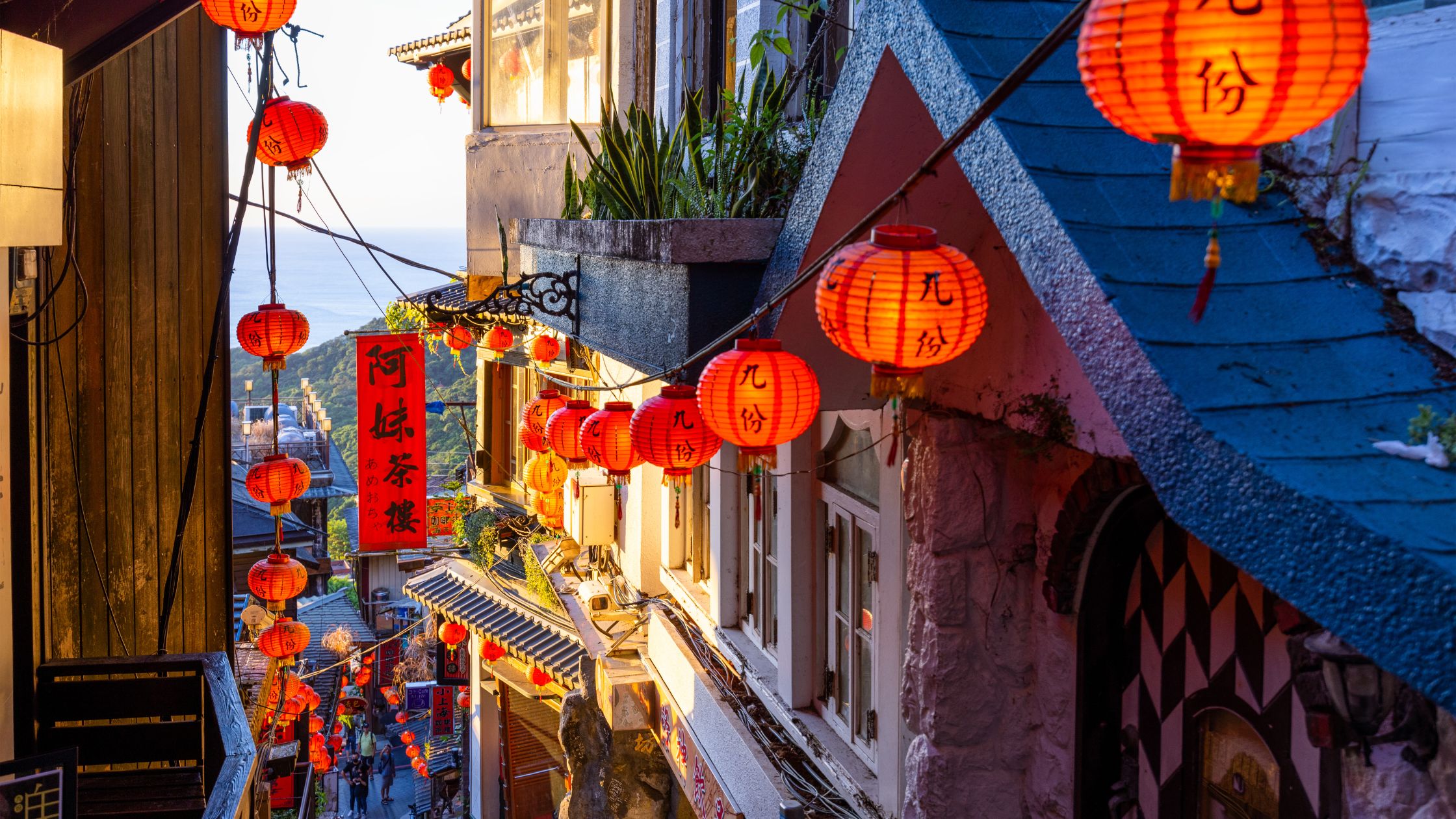
Picking the right Taiwan tours gets easy once you match pace, comfort, and vibe to how you actually like to travel. Honestly, that’s the part most people skip—then they wonder why day three feels like a sprint.
Your “right” trip balances city energy, nature, food, culture, and downtime so you don’t end the journey feeling rushed or generic. If you’ve ever come home needing a vacation from your vacation… yeah, we’re avoiding that.
Think of this island as compact: modern skylines sit beside centuries-old temples and tea houses. You can be at Taipei 101 in the morning, soaking in hot springs by evening—and it won’t feel like a logistical puzzle if you route it smart.
Highlights to weigh in your plan include Taipei 101, Taroko Gorge’s marble cliffs, Sun Moon Lake for cycling or cruising, and restorative hot springs. These help you prioritize experiences when you pick a tour style, especially if you’ve got limited days and a long flight to justify.
Life of Taiwan can turn your preferences into a personalized itinerary, saving you weeks of comparing trips and logistics. If you’re booking a tour to Taiwan from US, that time-saving alone can be worth it—because your “free time” probably isn’t actually free.
Key Takeaways
- Match pace and comfort to avoid a rushed trip.
- Pick experiences (city, nature, food, downtime) before a tour.
- Use anchor sights such as Taipei 101, Taroko Gorge, and Sun Moon Lake to set priorities.
- Life of Taiwan can craft a style-matched itinerary for you.
- Jump to sections on length, transport, and budget to make real decisions quickly.
Start With Your Travel Style: What Do You Want From Taiwan?
Start by deciding what kind of days make you happiest on the road. This first step is how Life of Taiwan shapes personalized recommendations so your trip fits you — not the other way around. And yes, it’s a little self-therapy, but the helpful kind.
Culture-forward days mean temples, old streets, and museums. If that sounds appealing, your plan will center on historic neighborhoods and local guides who explain traditions and people (the “why,” not just the “what”).
Culture-forward days vs. nature-heavy adventure
If you lean toward adventure, expect hikes, coastal drives, and cycling routes. Those days move faster and need more stamina. Culture-first days move at a gentler pace and include more stops for context—plus more little breaks that keep the whole trip from feeling like a checklist.
Food-and-night-market energy vs. quiet tea-house vibes
Your food personality matters. Night markets are central to street food culture if you love late-night bites and lively crowds. (If you’re the person who packs snacks “just in case,” you’ll still want to show up hungry. Trust me.)
Or, choose slow afternoons in teahouses to taste single-origin tea and unwind. This is the difference between “busy travel” and “I actually remember this day.”
Fast-paced city hopping vs. slow island time
Decide your pacing: tight city hops with many hotel changes, or fewer bases and a slow island rhythm. Both are great; the right one depends on how much transit you tolerate and how much decision fatigue you want to avoid.
Quick self-check: your wake-up time, tolerance for long drives, and how many must-sees per day. Life of Taiwan turns answers into a travel profile so the suggested experiences match your rhythm.
Next, we’ll map that profile to tour formats—small group, private, family, adventure, and food-focused. (This is where the plan stops being abstract and starts being bookable.)
Taiwan Tours That Match the Way You Like to Travel
Pick the trip format that fits how you like to spend a day—relaxed, packed, or somewhere between. Below are clear options so you can match pace, comfort, and interests to the right setup, without spiraling into twenty tabs of “maybe this one?”
Small-group tours for easy planning and built-in community
Why choose small groups: transport and logistics are handled, highlights are covered, and you meet fellow travelers. Limit: fixed start times and a set pace can feel tight if you like to linger for photos or meals.
Private guided tours for flexibility, comfort, and pacing
Private options include a dedicated guide and the freedom to change the day if the weather shifts. You can linger longer at viewpoints or book premium hotels without syncing with others—which is quietly underrated when you’re traveling with family or celebrating something big.
Family-friendly trips with simpler logistics and lighter days
Family-focused itineraries use shorter transit blocks, earlier dinners, and hotels that help you rest between activities. That makes days smoother for kids and caregivers, and it reduces the “everyone is tired and hungry” meltdown risk.
Adventure tours that prioritize hiking, cycling, and coastlines
True adventure means active days—hiking trails, cycling loops like around Sun Moon Lake, and coastal walks—not just long bus rides. Pick itineraries that list distances and activity grades so you can pack and pace with confidence.
Food-focused experiences built around street food and local stories
Food-forward trips blend market walks, night-market street food stops, and hands-on cooking with locals who share family recipes. It’s eating plus context: the stories behind flavors. And if you’re a “tell me what to order” kind of person, you’ll love having guidance in the chaos.
FormatGood forKey trade-offsSmall-groupSolo travelers, social travelersEffortless logistics; less flexibilityPrivate guidedCouples, slower pace, premium staysHigher cost; full control of paceFamily-friendlyParents with kids, multi-gen groupsShorter days, calmer schedulesAdventureActive travelers, hikers, and cyclistsRequires fitness; more gear planningFood-focusedFood lovers, culturally curiousMany walking/ tasting stops; can be busy
Life of Taiwan will match your comfort level, budget, and must-do list to the right format, whether you want a small group or a private guide, family pacing, add-on experiences, or active days. If you’re deciding between “I want it easy” and “I want it perfect,” you’re not alone.
If you’re comparing operators, it helps to think like this: you’re not just booking a route, you’re booking decision relief. Picking the right tour agency in Taiwan is basically choosing who carries the mental load (routing, reservations, timing, backup plans) so you don’t have to.
City Highlights: If You Love Skylines, Shopping, and Night Markets
A city-first plan makes for an easy, lively arrival and sets the tone for the rest of your trip. You’ll get bright skyline moments, late-night food, and small, timeless corners in the same neighborhood. It’s also a gentle “landing” after a long flight.
Neon nights, lantern-lit markets, and big-city buzz
Nightlife centers on neon and lantern-lit markets in Songshan. Go hungry and aim for later in the evening when stalls are at their peak. Plan your day so you’re rested and can enjoy the late energy—because nothing kills the vibe like being too tired to taste anything.
Taipei 101 and panoramic city views
Taipei 101 is a must for skyline photos and that big-city buzz. Time a visit near sunset for glassy city lights and strong panorama shots that anchor your trip’s story. If you’re a “one perfect photo” person, this is your moment.
Dihua Street for old-town shops, herbs, and tea
Dihua Street is the calm counterpoint. Old shops sell herbs and single-origin tea, making it a perfect morning or early-afternoon stop before the night markets open. It’s also a great place for thoughtful gifts that don’t feel touristy.
PlaceBest timeWhy goSongshan night marketsEvening (9 pm–11 pm)Peak energy and street snacksTaipei 101Sunset to nightPanoramic skyline viewsDihua StreetMorning–afternoonHerbs, shopping, tea stops
Life of Taiwan can build a city-first tour that sequences neighborhoods and times markets for you. Quick tip: Stay central if you love street snacks; choose a quieter neighborhood if you want sleep after late nights.
Nature and National Park Picks for Your Outdoor Itinerary
Choose nature spots that fit your energy—strenuous trails, sweeping cliffs, or sunlit shores. The best outdoor days are the ones you can enjoy without constantly thinking, “Are we doing too much?”
Taroko Gorge is the classic marble-cliff experience. Taroko Gorge cuts through marble walls and has hikes for many fitness levels. Plan shorter trails if you want dramatic views without a long climb.
Taroko National Park also offers waterfalls, river gorges, and clear trail grading so you can match days to your comfort. Life of Taiwan can advise on current trail conditions and suggest safer, well-paced routes, which matters more than people realize in changing weather.
Qingshui Cliffs are a 13-mile sweep of jungle-covered cliffs that drop into the East China Sea. The highway runs midway up the slope, so the view is epic but not for those who hate heights.
If you dislike vertigo, choose a guided stop and shorter lookout time. A guide reduces stress and keeps your day flowing, so you’re not white-knuckling the schedule.
Kenting National Park is your warm-weather reset. It has sandy beaches, coastal pools, and easy walks—perfect after mountain days.
SpotBest fitWhy goTaroko Gorge / Taroko National ParkHikers, scenic-photographersMarble cliffs, varied trails, dramatic canyon viewsQingshui CliffsScenic drives, cliff-view lovers13-mile coastal cliffs, intense panoramas, and roadside lookoutsKenting National ParkBeach rest, warm-weather daysSandy beaches, coastal beauty, mellow pace
Life of Taiwan will stitch these national park stops into an efficient itinerary, so you avoid backtracking across the island. That saves travel time and gives you more true outdoor days. It also makes a big difference if you’re trying to see a lot without feeling like you’re always packing and unpacking.
Signature Scenic Stops to Build Your Dream Journey
Some places are quiet enough to slow your pace without asking—Sun Moon Lake is one of them. If your brain runs hot (same), this is where it finally cools down.
Sun Moon Lake mornings with mist, cycling, and lakeside calm
The hype is real: dawn brings blue-gold light, mist rolling over the water, and fishermen paddling past. That early calm is the core reason you should add sun and moon time to your plan.
Your perfect morning: rent a bike, ride a gentle loop, pause at a viewpoint, and grab lakeside coffee. It keeps the day active but not so fast that you can’t actually enjoy the view.
Sun Moon Lake culture stops like the Thao village
Balance scenery with story by visiting Thao village. You’ll learn about local life, see crafts, and feel why the place holds cultural weight beyond its beauty. It’s a good reminder that the “pretty places” are also living communities.
Penghu Islands for beaches, temples, basalt columns, and sea turtles
For an island extension, Penghu delivers remote beaches, towering basalt columns, and small temples—plus a shot at spotting nesting green sea turtles. It’s the “if you know, you know” escape, and it pairs well with a longer itinerary.
Life of Taiwan can combine these destinations into a smooth itinerary, choosing the right transport and nights so your journey feels like a string of moments—not a race. That’s also how you avoid the classic mistake of spending your best hours inside a vehicle.
Choose Your Ideal Trip Length in Days
Match the number of days you have to the mood you want each day to hold. That simple choice shapes whether your trip feels relaxed or rushed. It’s also the quickest way to decide how ambitious your route should be on a tour of Taiwan without regretting it halfway through.
Short breaks that keep you based in Taipei
Base yourself in the capital for quick day trips. You’ll pack light and spend nights sampling markets and neighborhoods. This setup is perfect when you have only a few days and want minimal hotel changes (and minimal “where did I put the charger?” drama).
Mid-length tours that blend city, lake, and gorge
A mid-length plan will combine city highlights with Sun Moon Lake’s calm and Taroko Gorge drama without a frantic pace. It gives one city day, one nature day, and a hands-on food or tea day—an easy, balanced itinerary that still feels full.
Longer journeys across the island
Longer trips unlock multiple destinations, coastal scenery, and time to linger where others only stop. Expect more hotel changes but deeper moments. If you can swing it, this is where Taiwan really opens up.
Decide pacing: Two to three hotel changes feel comfortable for most five-day plans. Book ahead to secure dates and preferred stays. Contact Life of Taiwan to match your available time to the best route so you don’t overpack your days.
Food, Tea, and Hands-On Experiences You Can Build Into Tours
Good food and quiet tea breaks can shape your whole trip more than any landmark. Make tasting, learning, and small moments the backbone of your days, so you leave with stories, not just photos. And honestly, it makes the pacing feel human.
Night markets for staples and late bites
Start nights at lively night markets to try street food staples like stinky tofu, beef noodle soup, bubble tea, braised pork rice, and oyster omelette. Simple tasting plan: one savory classic, one “dare” bite, one drink, one dessert. It helps you sample more without wasting time or appetite.
Tea culture in misty growing regions and teahouses
Tea is your built-in slow moment. Visit highland plantations or a classic teahouse for guided tastings that calm a full day. These stops reset your pace and teach you why different leaves taste so distinct. They pair perfectly with a late-afternoon schedule.
Cooking classes and market-to-table moments
Hands-on classes are the best souvenir: learn to make Taiwanese pancakes, roll peanut ice cream, or cook a night-market dish with local people. These experiences turn a meal into a skill and a story you can share at home.
Indigenous visits and mountain village culture
Consider a visit to an Atayal mountain village to learn traditions, music, and crafts. It adds meaningful context beyond city stops, and it balances “seeing” with actually “connecting.”
Life of Taiwan bundles food, tea, and Indigenous experiences into sensible days. Guides handle ordering, etiquette, and timing so your nights and afternoons flow. This approach makes food and tea active parts of your itinerary—not just another included meal.
Best Time to Visit Taiwan Based on Weather and What You Want to Do
When you pick travel dates, you pick the mood for almost every day. Choose dates that match the activities you plan, not just average temperatures. Below is a quick seasonal guide so you can match the weather and time to what you want to do.
Spring: blossoms and comfortable outdoor days
Summer: coastlines, lively nights, and typhoon planning
Fall: clear skies, top hiking conditions
Winter: hot springs and a slower rhythm
SeasonBest forQuick tipSpringScenic walks, mild hikesBook viewpoints and parks earlySummerBeaches, night marketsHave flexible plans for typhoonsFallHiking, clear-sky photographyIdeal all-around seasonWinterHot springs, low crowdsPack layers for chilly nights
Life of Taiwan helps pick the best time and design tour pacing so the weather won’t derail your plans. Tell them your must-dos, and they’ll map the best regions and days for your trip.
Where to Start and How You’ll Get Around the Island
Arrive, orient, and go: starting at the major city hub makes moving around straightforward. Taipei is the most common launch point because flights, trains, and local transit meet there. It’s an easy ramp-up for your travel rhythm, especially if you want the first day to feel simple.
Why Taipei works as your launch point
The airport links to quick city transit and major rail lines. That means less wasted time on arrival and easier mornings for sightseeing.
How you’ll move between places
High-Speed Rail (HSR) handles efficient city-to-city legs so long travel days feel short. Use HSR to jump between hubs and save precious day hours for sights.
MRT and buses cover neighborhoods and attractions. They are reliable and frequent, and they have English signage at major stations. Taxis are handy for short hops or tired evenings.
Make transport part of the itinerary
Smart routing keeps your trip relaxed instead of “always in transit.” Life of Taiwan plans sequences to avoid backtracking, times connections, and chooses the best mix of HSR, MRT, and taxis for each day.
Quick comfort note for U.S. travelers: Mandarin is the official language, but English is common at hubs and tourist sites, so getting around is straightforward. The bigger issue is usually time—how you sequence the days so you’re not constantly on the move.
Tour Guides, Group Size, and Comfort Level: What to Look For
A strong guide turns logistics into background noise so you can focus on the day. If you’re the type who hates fussing with details on vacation, this is where you stop “planning” and start “enjoying.”
What to expect: clear communication, cultural context, efficient routing, and help with the little moments that slow you down. A good tour guide explains temple etiquette, speeds up market ordering, and turns history into stories you remember.
Small group vs. private
If you like meeting new people, a small group gives social energy and a lower cost. If you prefer flexibility, a tour guide in Taiwan on a private itinerary lets you set the pace and linger where you want, which can be a game-changer for photography, food stops, or mobility needs.
Hotel expectations and comfort
“Comfort” varies by destination and season. Outside major cities, you may get simpler hotels. Life of Taiwan sets clear standards up front and confirms rooms so you know what to expect.
Picking the right match
Look for a guide who communicates clearly and reads the group’s mood. Choose private if you want freedom; choose sa mall group if you want company. Ask about the hotel class and typical room type for the route before you book. And if you’re wondering whether a Taiwan tour guide can really change the feel of the trip—yes. It’s the difference between “we went” and “we understood.”
Life of Taiwan matches you with guides who fit your style, so your trips feel easy, local, and memorable.
Budget and Price: How to Pick the Right Tour Without Overpaying
Your budget shapes the kind of trip you’ll enjoy, so learn which choices add real value. What drives price is a few clear levers: pace of the itinerary, hotel level, private guide vs. small group, and included activities.
Faster-paced plans mean more logistics and higher costs. Better hotels and private guides raise the per-person price, but they also buy comfort and time. If you’re choosing where to spend, spend on the things that remove friction.
Value add-ons worth paying for
Pick add-ons that create memories, not filler. Hot springs, tea tastings, and hands-on workshops are top-value inclusions. They replace DIY logistics and give a deeper local context.
Compare itineraries line by line
- Count travel days vs. sightseeing days.
- See how many one-night stops you’ll have.
- Check how long you actually spend at key places.
Life of Taiwan is transparent about pricing and focuses on value-based inclusions. Tell them your priorities, and they’ll match a tour and itinerary to what matters, so you don’t overpay for pace or fluff.
Conclusion
Treat each day as a building block: choose the mood first, then add the places that match it. The best Taiwan Tours start with your travel style, not a packed checklist.
Pick your pace, choose a must-do mix (city + nature + food/tea), and decide if a private tour or a small group fits your rhythm. Smart routing and HSR save you time so you can enjoy more without rushing every day.
Prioritize a great guide when you want smoother logistics and a deeper understanding of the culture. Ready to plan? Share your available days, comfort level, top three interests, and whether you want group energy or private flexibility.
Reach out to Life of Taiwan to match you with the right taiwan tours built around your budget and the trip you actually want.
FAQ
How do I choose the right tour based on my travel style?
Start by deciding whether you want culture, nature, food, or a mix. If you like hands-on food and night markets, pick a food-focused or city-based itinerary. If you prefer hiking and coastal views, choose an adventure or nature-centered route that includes Taroko Gorge or Kenting. For flexible pacing, book a private guided tour; for social travel and lower planning stress, pick a small-group option.
What’s the difference between small-group and private guided experiences?
Small-group trips give built-in community, set pacing, and usually lower per-person cost. Private guides offer customized schedules, extra comfort, and faster adjustments to your interests or mobility needs. Choose a small group for convenience and meeting people; choose private if you value flexibility and tailored stops.
Can I combine city highlights and natural parks in one trip?
Yes. Mid-length itineraries often blend Taipei’s night markets and Taipei 101 with visits to Sun Moon Lake, Taroko National Park, or Qingshui Cliffs. Use high-speed rail or organized transfers to save time between city and nature stops when your schedule is tight.
What are family-friendly trip features I should look for?
Look for simpler daily schedules, shorter transfers, and activities that suit kids—bike rides at Sun Moon Lake, easy walking trails in national parks, and hands-on food or craft workshops. Confirm child pricing, rooming options, and any age limits for specific activities.
When is the best time to visit for outdoor activities?
Fall offers the most reliable weather for hiking and clear skies. Spring is pleasant for blossoms and outdoor comfort. Summer is ideal for beaches and night markets but watch for higher heat and possible typhoons. Winter suits hot springs and a slower travel rhythm.
What food and tea experiences are worth adding to my itinerary?
Don’t miss night-market street food staples, tea tastings in misty growing regions, and market-to-table cooking classes. These add cultural context and memorable flavors—perfect for food-focused trips or anyone who wants hands-on experiences.
How many days do I need to see the island’s main highlights?
Short breaks (3–4 days) work well if you base yourself in Taipei with one day trip. A mid-length trip (6–9 days) lets you combine city, lake, and gorge highlights. Longer journeys (10+ days) give you time to explore multiple regions, beaches, and island offshoots like Penghu.
How do I get around between cities and sights?
The High-Speed Rail and conventional rail handle most city-to-city travel efficiently. Local buses, taxis, and organized tour transfers cover national parks and remote spots. Renting a car is an option for more remote areas but check parking and road conditions first.
What should I expect from a quality tour guide?
A great guide brings local context, stories behind temples and markets, smooth logistics, and safety awareness. They help you skip lines, find local eats, and adjust plans for weather or group needs. Check reviews for knowledge, language skills, and responsiveness.
How can I compare tour value without overpaying?
Compare pace, included experiences, hotel level, and how many meals or transfers are covered. Value add-ons to prioritize include hot springs visits, tea tastings, and local workshops. Don’t judge solely by price—look for clear inclusions and honest cancellation policies.
Are there good options for adventure travelers who want hiking and cycling?
Yes. Adventure-focused trips emphasize trails in Taroko Gorge, coastal rides along Qingshui Cliffs, and cycling around Sun Moon Lake. Confirm difficulty levels, daily distance, and whether guides provide gear or local support.
Can I customize an itinerary to include indigenous culture visits?
Most private and some small-group operators can add visits to Atayal or other indigenous villages for cultural exchange and performances. Request respectful, community-led programs that support local hosts and provide accurate context.
What should I pack for mixed city-and-nature trips?
Pack layers for changing weather, comfortable walking shoes, a light rain jacket, sun protection, and a reusable water bottle. Include a small daypack for hikes and a charger or power bank for long transit days.
How do night markets fit into different travel styles?
Night markets work for foodies, casual explorers, and families looking for quick bites and lively atmosphere. If you prefer quieter evenings, schedule tea-house visits or early-evening cultural shows instead of late market nights.
